The 10th Congress of Chemistry brought together faculty, researchers, and students from the Chemistry program at Universidad del Valle de Guatemala (UVG). The event took place from October 22 to 25 and included conferences, workshops, and academic activities focused on scientific analysis, professional development, and integration among university communities. The inter-university symposium centered on sustainable materials.
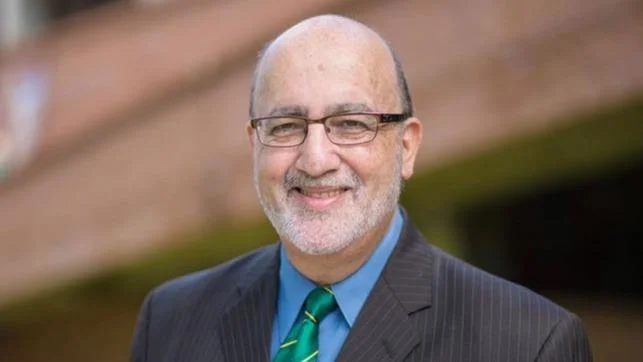
One of the main sessions at UVG featured the conference “Borilidenphosphoranes: discovering the chemistry of an unconventional boron,” delivered by Dr. Alfredo Rosas Sánchez, a professor and researcher at the University of Guadalajara in Mexico. According to Dr. Rosas Sánchez, "the expert presented how molecules containing metals can be used to create other useful substances in the laboratory." His presentation highlighted boron as a chemical element with various opportunities for use in different applications.
A specialized workshop on supramolecular chemistry was also held in laboratory C-206A. This advanced session included practices involving spectroscopy, nuclear magnetic resonance, and organic synthesis. The workshop was led by an expert researcher who also gave a talk titled “Metal-organic nano-cages for capturing water and air pollutants,” focusing on innovative materials with environmental applications.
The congress coincided with Chemist’s Day celebrations in Guatemala. To mark the occasion, UVG chemistry students created a giant periodic table where each element was represented by an image generated using artificial intelligence.
Activities such as this congress aim to provide comprehensive education for future professionals. The program encourages entrepreneurship in research and innovation within the chemical industry while emphasizing environmental responsibility. It also prepares graduates for roles in laboratories, industries, academic institutions, and scientific innovation projects.
 Alerts Sign-up