The municipalities of San Juan Cotzal, Chajul, and Patzité in the Quiché department have been officially declared free of dirt floors. The announcement was made during an event in Patzité attended by President Bernardo Arévalo de León, who highlighted progress achieved through the Mano a Mano Intersectoral Initiative.
Mario Gaitán, Vice Minister of the Viceministry of Food and Nutritional Security (VISAN), along with local authorities and government cabinet members, participated in the ceremony. The event emphasized coordinated efforts to improve living conditions for Guatemalan families.
The Ministry of Agriculture, Livestock and Food (MAGA) has focused on measures to boost food production and self-sufficiency among rural families in these municipalities. Actions include establishing family gardens, providing agricultural and livestock management assistance—such as prophylactic plans—and strengthening the milpa system, which is considered vital for regional food security.
Sustainable practices are also being promoted. These include creating biofactories for fertilizer production, generating organic compost, and distributing seeds and farming tools. In Patzité alone, 361 families have benefited directly from these initiatives.
In Chajul municipality, MAGA supported the creation of 35 family gardens and distributed vegetable seeds through VISAN. Local efforts were further assisted by the Municipal Rural Extension Agencies (AMER) in Quiché.
In the Ixil area, with support from the United Nations Food and Agriculture Organization (FAO), supplies were distributed and technical assistance was provided to 30 families.
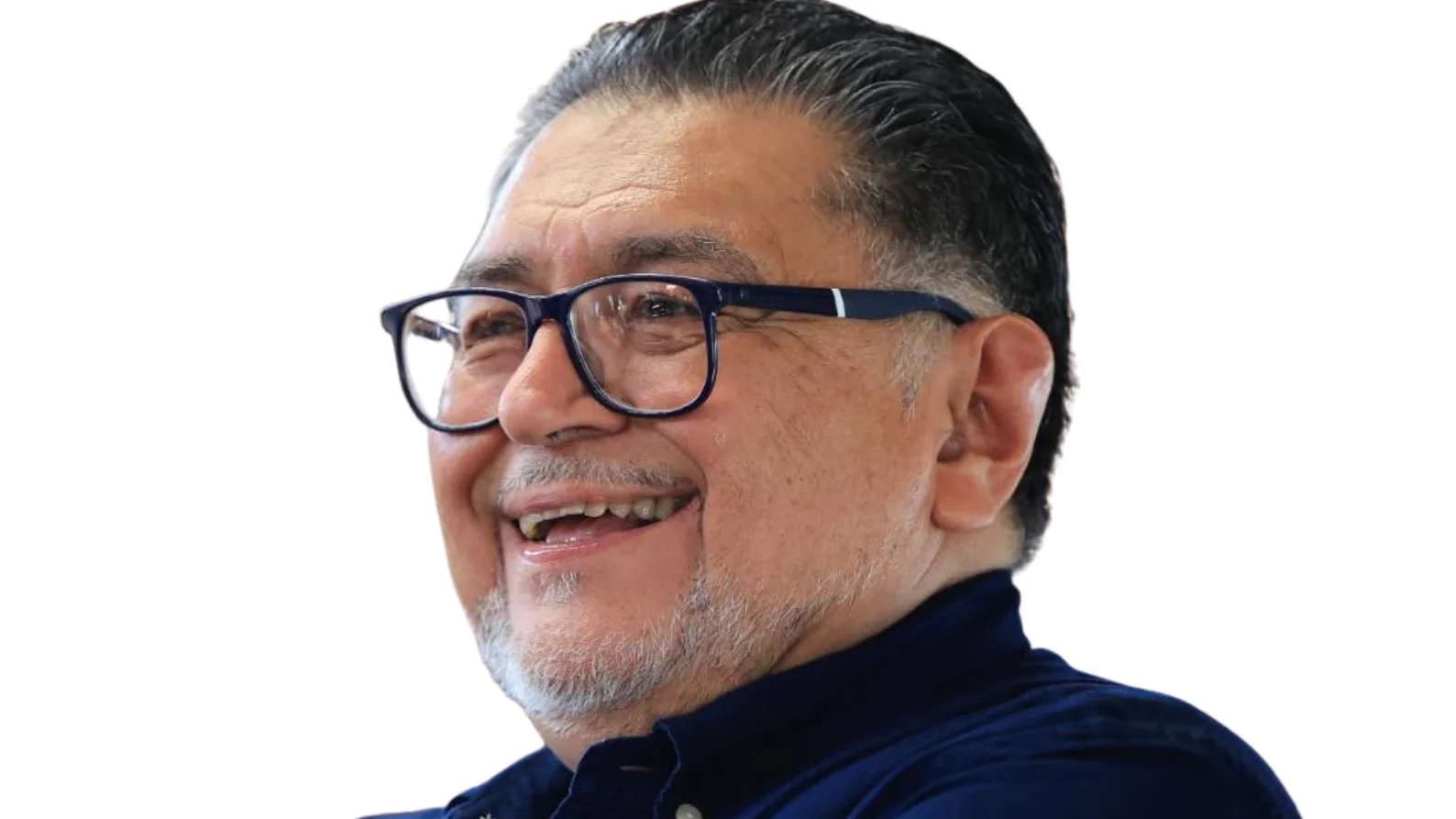
Vice Minister Gaitán stated: “the MAGA, within this initiative, provides technical assistance and input training to strengthen family agriculture, promoting both self-consumption and commercialization of surpluses in communities.”
President Arévalo added: "the Mano a Mano initiative drives us to work together and respond to the people with dignity. Today we open a new chapter for thousands of families in this beautiful territory because the dignity of a dignified people cannot wait."
 Alerts Sign-up